
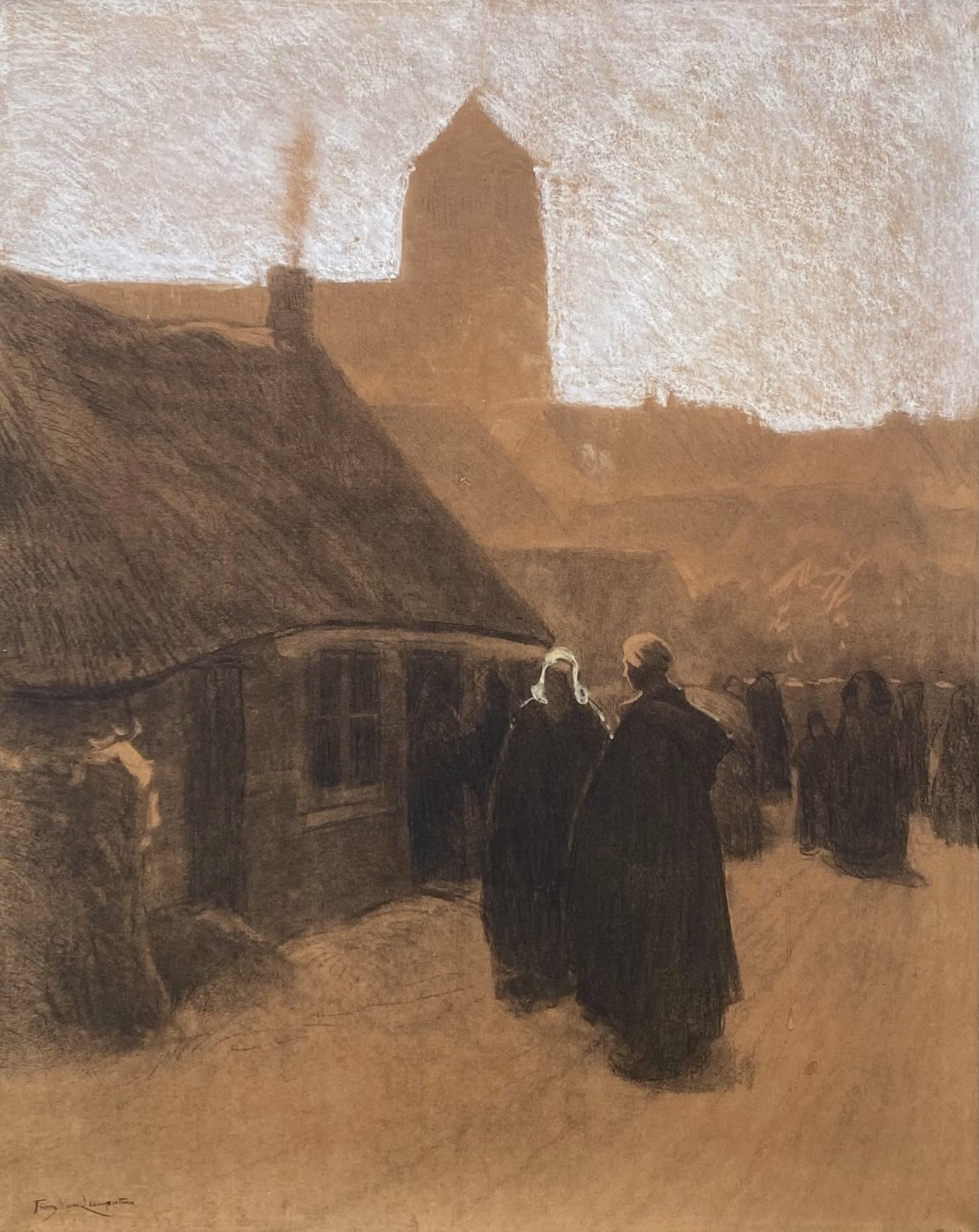
Pencil and chalk on paper
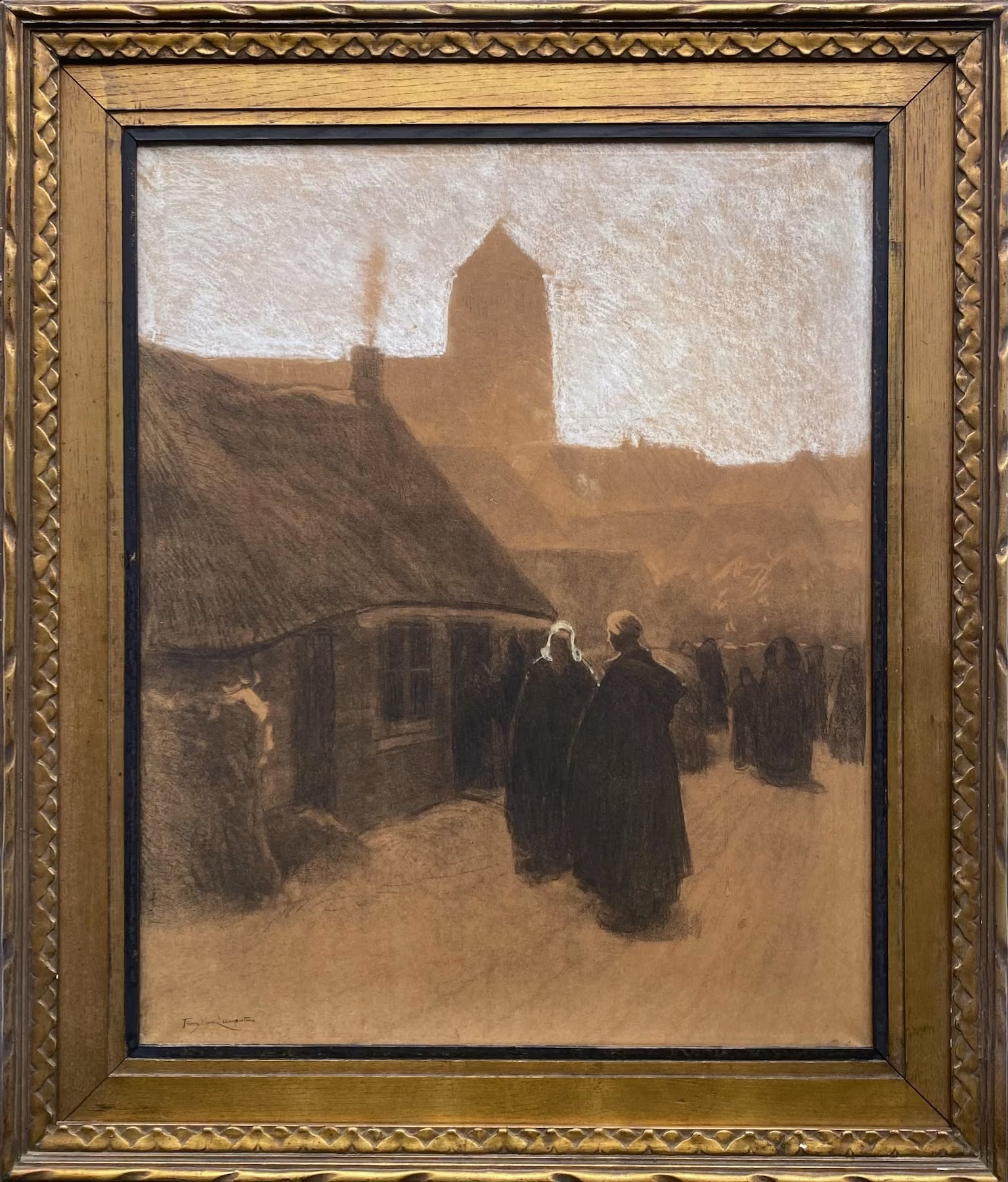
78 x 64 cm, 98 x 84 cm framed
Signed lower right
Frans Van Leemputten sought to capture, in his work, the lives, plight and dignity of the peasant folk of Central Belgium. By documenting their customs and interactions he showed the strong bonds of these rural communities and the deep religiosity that shaped them. This work is of particular interest as it shows an engagement with Luminism, the avant-garde Belgian Post-Impressionist movement that focused on depicting intense, natural light and its effects on the landscape.
Prior to Luminisim, there was a generation of painters, Frans among them, who took inspiration from the simplicity, purity, and authenticity of the pre-industrial countryside and a held particular fondness for the Campine region due to its relative isolation. Van Leemputten was renowned for his meticulous attention to detail and observational acuity in recording the clothing, gestures, and daily practices of the working people there and while there is a documentary element to his work there, too, is a quiet spirituality and powerful avowal of the virtues of this way of life.
Van Leemputten’s early life was closely connected to both rural and artistic traditions. His father, originally a farmer, moved to Brussels in 1852 to work as a painting restorer. He actively encouraged his sons, Frans and his elder brother Cornelius, to pursue artistic training. Van Leemputten took evening classes at the Academy of Fine Arts of Brussels from 1865 to 1873 where he studied under Paul Lauters who pushed Frans to paint directly from nature. His artistic development was further shaped by the influence of Constantin Meunier, who would become a close friend, and also by his reading of Hendrik Conscience, whose novels celebrated the virtues and moral integrity of the people of the Campine.
Van Leemputten became a member of the drawing society La Patte de Dindon and, in 1872, made his debut at the salon organised by La Chrysalide, a progressive artistic circle that also included figures such as James Ensor, Louis Artan, and Guillaume Vogels. He later joined L’Essor, an association, based in Brussels, founded to counter the prevailing conservative, bourgeois academic institutions. Through his participation in these organisations, Van Leemputten became closely associated with some of the most exciting and novel artists in Belgium at the time. From 1874 onward he regularly submitted works to the Antwerp Salon, and in 1892 he was appointed as a Professor at the Higher Institute of Fine Arts of the Antwerp Academy.

